Mission trip fundraising is not simply asking others to pay for travel. It invites your church, family, and friends to share in the Great Commission through prayer, encouragement, and generosity. Begin with humility, communicate truthfully, follow up gratefully, and trust God to use both the going and the giving for His purposes.
Key Takeaways
- Begin your mission trip fundraising with a complete budget and a clear, prayerfully considered goal.
- Ask people personally before you post publicly, giving them space to pray and respond.
- Use a secure, organization-approved giving method so supporters can give with confidence.
- Share the purpose of the trip, the deadline, the financial need, and specific prayer requests.
- Provide preparation updates before you go and post-trip testimonies after you return.
What Should You Do Before Asking Anyone for Support?

Support raising begins with faithful stewardship. Before you invite anyone to support your mission trip, confirm your trip, calculate the cost of an international mission trip, and decide what you can contribute personally.
List the trip fee, airfare, travel documents, insurance, transportation to and from your home airport, baggage charges, and any trip-specific expenses not included in the published fee.
Then subtract your savings and any payments already made. The remaining amount becomes your support goal.
Pray over that goal. Ask God for wisdom about whom to contact and how to communicate with humility and clarity. If someone responds slowly or not at all, do not assume your calling is invalid. Keep walking in obedience, one faithful step at a time.
How Do You Create a Realistic Fundraising Timeline?

Fundraising can feel deeply personal, and you may wonder if asking for support is too much. A realistic mission trip fundraising timeline begins with prayerful stewardship and works backward from your payment deadlines so you can prepare with peace, integrity, and focus.
Start by dividing your remaining goal into weekly targets, then assign clear actions to each week. For example, a $3,000 goal over ten weeks averages $300 per week. Results will vary, but a weekly target helps you measure progress, pray specifically, and respond early instead of waiting until the final deadline.
Families and groups should begin earlier because they are coordinating more people and larger totals. Good planning does not replace faith; it helps you steward the calling well as you take the next obedient step.
Who Should Be on Your Support List?
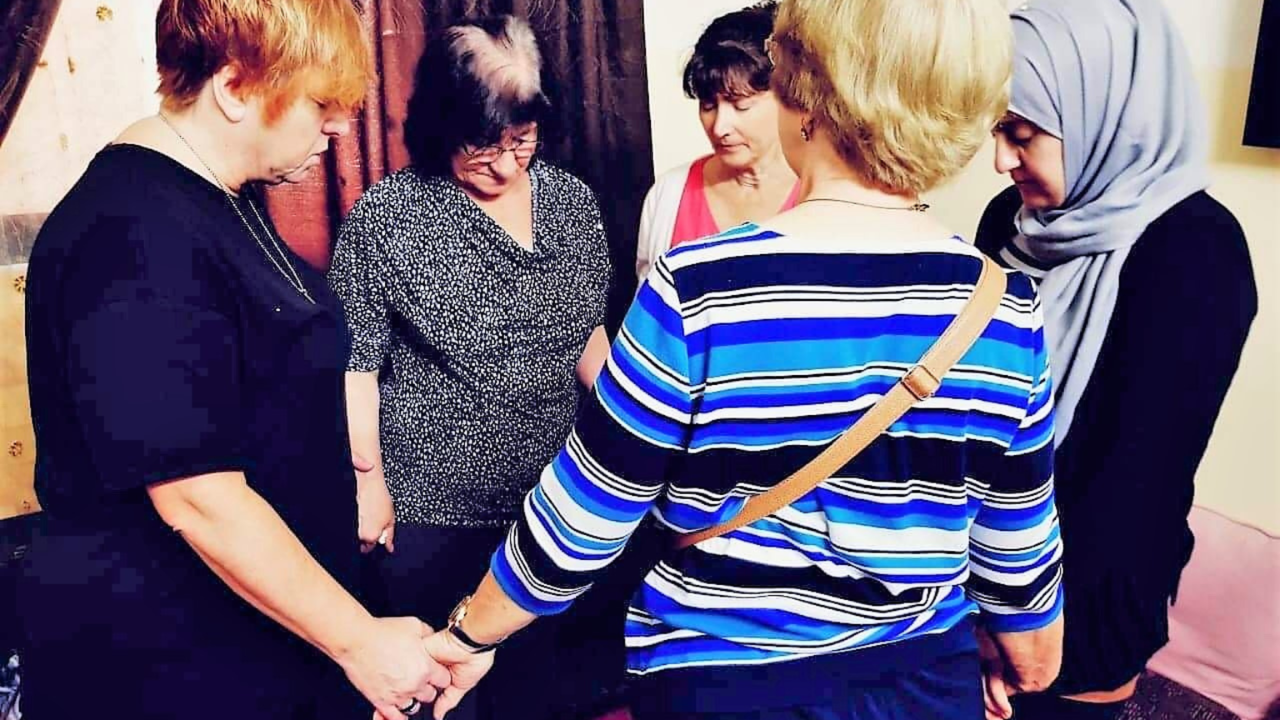
Your support list should include people who know your faith, character, family, church involvement, or desire to serve. Begin with relationships, not reach.
You can create four groups:
- Family and trusted friends
- Pastors and church members
- Coworkers and neighbors
- Mentors, former teammates, and mission-minded contacts
Do not assume who will give. Someone who cannot contribute financially may still pray for you, introduce you to another supporter, or meet a practical need. Choose the contact method that fits each relationship.
Include people who can offer practical help, such as airport rides, childcare, event space, printing, or introductions. Support may arrive in many forms, not only through a financial donation.
What Should a Mission Trip Fundraising Message Say?
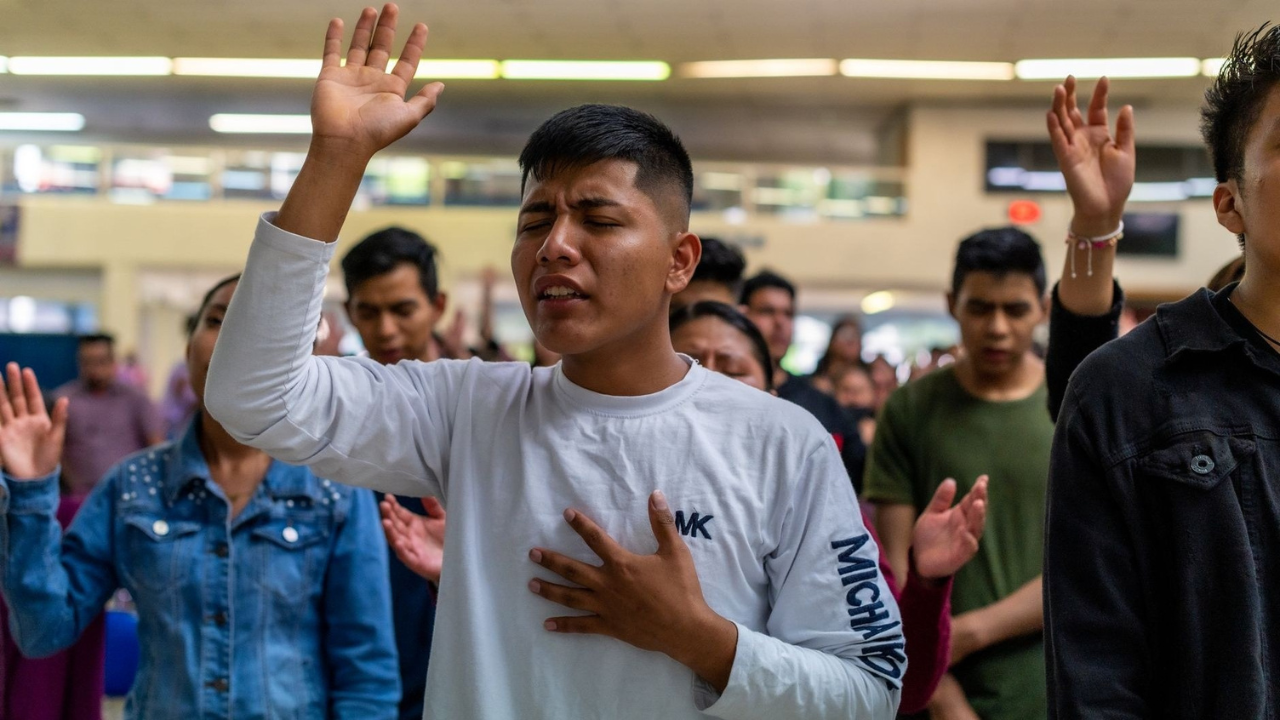
When you are preparing a mission trip fundraising message, you may wonder how to ask clearly without putting pressure on anyone. A good message simply helps people understand where you are going, why the ministry partnership matters, how you hope to serve, what you need, and how they can prayerfully respond.
Keep it personal, specific, and grounded in faithful service alongside local church partners.
Use this structure:
- Opening: Share how this opportunity developed and what God has been stirring in your heart.
- Purpose: Explain the ministry partnership and why the work matters.
- Role: Describe how you expect to serve with humility and teachability.
- Goal: State the amount you need to raise and the deadline.
- Invitation: Ask the reader to pray, give, or consider supporting you.
- Instructions: Share the approved giving or response method.
- Gratitude: Thank them for considering how they might walk with you.
Avoid promising specific outcomes. Emphasize obedience, preparation, local partnership, and a willingness to serve where God opens the door.
Why Should Personal Conversations Come First?

Personal conversations should come first because support raising is relational. A call, meeting, or voice message lets someone hear your heart and ask questions.
Tell close contacts why you believe God is leading you. Then ask, “Would you pray about partnering with me through prayer or financial support?”
A direct invitation is not manipulation when someone can decline. Share honestly without guilt or spiritual pressure.
How Can Your Church Help With Fundraising?
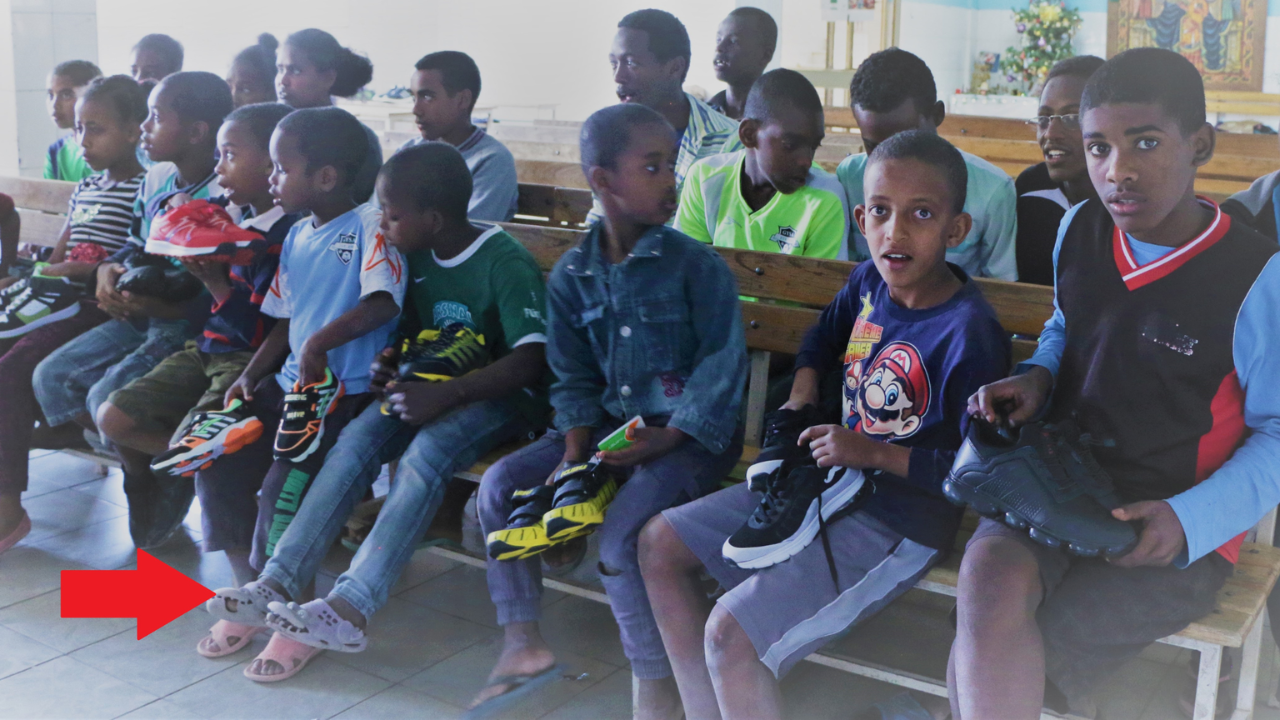
Your church can help through prayer, communication, accountability, and approved events. Speak with a leader before using the church’s name.
Possible support includes:
- A brief testimony or presentation
- A bulletin, email, or newsletter notice
- A prayer gathering
- An approved meal or benefit event
- A missions-budget gift
- Small-group introductions
Honor church policies about fundraising, receipts, facilities, and gifts. Partnership is stronger when leaders understand the trip and fund handling.
How Should a Family Raise Support Together?
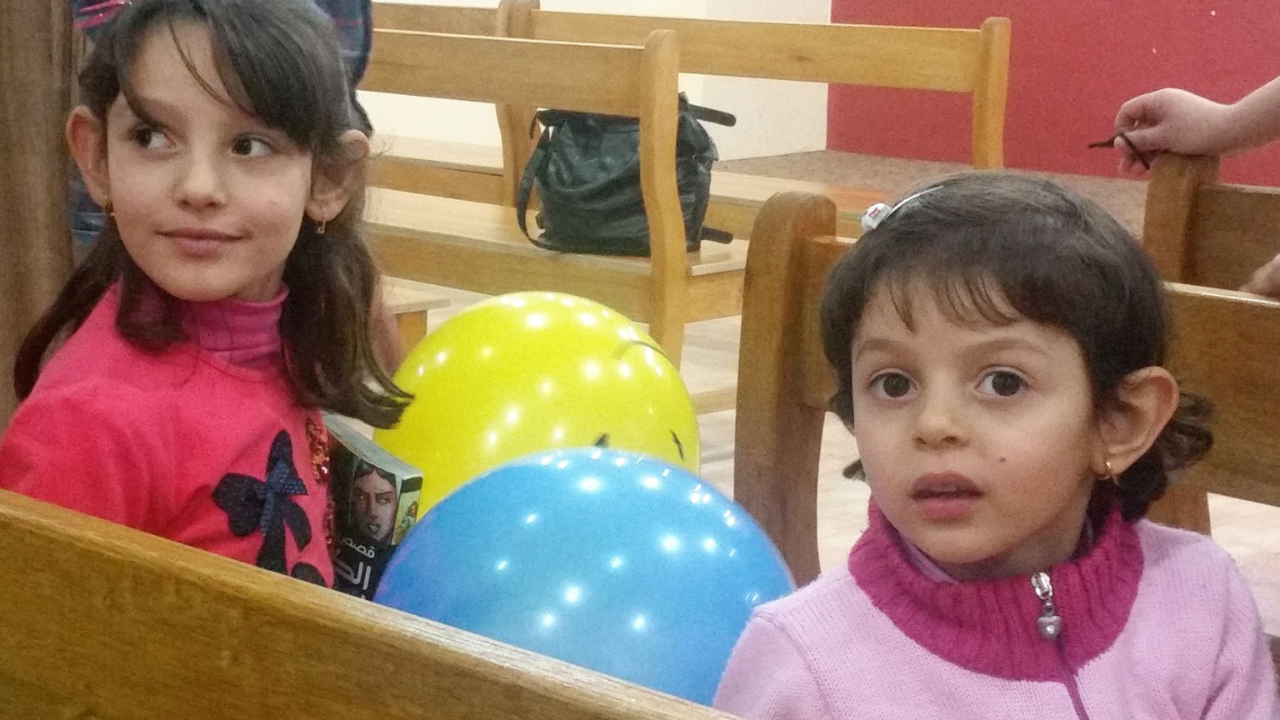
You may be wondering how to raise support as a family without placing too much pressure on your children. You are not alone. A family can raise support together with age-appropriate roles and one united story of obedience. We recommend age eight as a minimum, but younger children may be accepted after their parents review all the details of the selected trip and determine it will work for their family. Everyone under 18 must travel with a parent or legal guardian.
Start with a clear family savings or support goal. A garage sale, service project, meal, or craft sale can show faithful effort. As you invite support, share how your family is preparing spiritually and serving under experienced leadership alongside trusted local ministry partners.
How Should You Use Online Fundraising and Social Media?
Fundraising can feel personal, and sometimes a little uncomfortable at first. Inviting others to pray and give is not simply about meeting a financial need; it is part of allowing your mission family to walk with you in obedience. God often uses the process to build faith and remind us that missions are something we do together.
Online fundraising and social media can be helpful tools, but they should support your personal outreach, not replace it. We encourage you to use an organization-approved fundraising page so your supporters can clearly see where funds are going and give securely.
We provide a trip-specific, editable support letter template and additional fundraising ideas on each trip’s information page. After your application is approved and WMA receives your $200 deposit, you can also create a personal fundraising page on our website to share through letters, email, and social media.
When you share, include your fundraising goal, deadline, ministry purpose, and specific prayer needs. You do not need to post constantly or pressure anyone. A clear, honest invitation is enough.
What Does a Sample Eight-Week Support-Raising Plan Look Like?
The following sample eight-week support-raising plan gives you one suggested assignment each week. Adjust the schedule according to your trip’s payment deadlines, your total fundraising goal, and the amount of time available before departure.
Week 1: Confirm budget, deadlines, and personal contribution.
Week 2: Build a prayerful partner list.
Week 3: Prepare your letter, testimony, and giving link.
Week 4: Contact family, friends, and church leaders.
Week 5: Send letters and emails.
Week 6: Hold one approved event or post one update.
Week 7: Follow up with interested contacts.
Week 8: Thank supporters, report progress, and address the gap.
Keep saving personally. If the goal remains unmet, contact the mission organization before the deadline.
How Do You Follow Up Without Pressuring People?

You follow up without pressuring people by honoring their time, keeping prayer at the center, and being brief. If someone requested information or expressed interest, one respectful reminder is usually appropriate.
You might say, “I wanted to make sure you received my mission trip information. There is no pressure. I would value your prayers, and I am happy to answer any questions.”
Then thank every giver promptly. Share preparation updates, specific prayer requests, and a simple post-trip report so your supporters know their partnership mattered as you served alongside our local church partners.
Summary
Explore our current mission trips and submit an application when you are ready.
After your application is approved and we receive your $200 deposit, you can also create a personal fundraising page to help you invite others into the mission with humility, clarity, and peace.