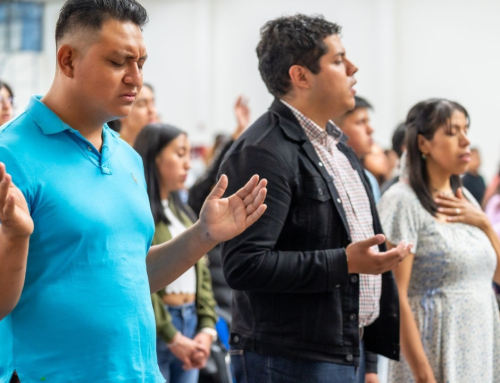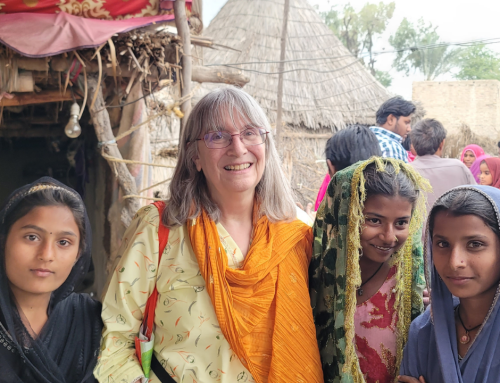

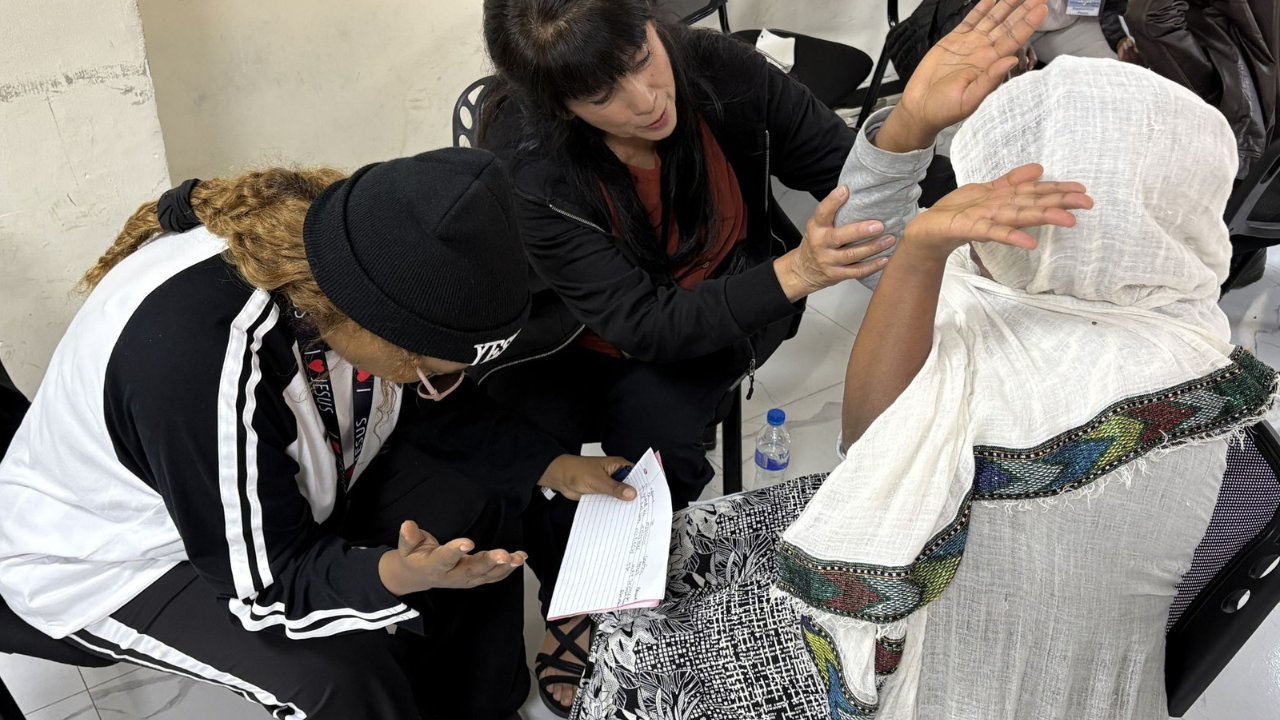
It’s understandable to ask this question. Short-term mission trips can be reasonably safe when we plan carefully, serve with trusted local church partners, communicate clearly, and prepare team members for health, transportation, cultural, and security concerns.
No international trip is completely risk-free, but as believers, we walk by faith and not by sight.
Key Takeaways
- No mission organization can guarantee complete mission trip safety, but careful planning, prayerful preparation, and trusted guidance help teams serve with wisdom and peace.
- Official travel advisories matter, and so do the insights of local church partners and ministry leaders who understand the area, culture, and current conditions.
- Before joining a team, ask clear questions about leadership, transportation, lodging, health requirements, travel insurance, communication, and emergency plans.
- If you feel anxious about going on a mission trip, you are not alone. Let that concern lead you to prayer, honest questions, and wise preparation—not shame.
Are Short-Term Mission Trips Safe?
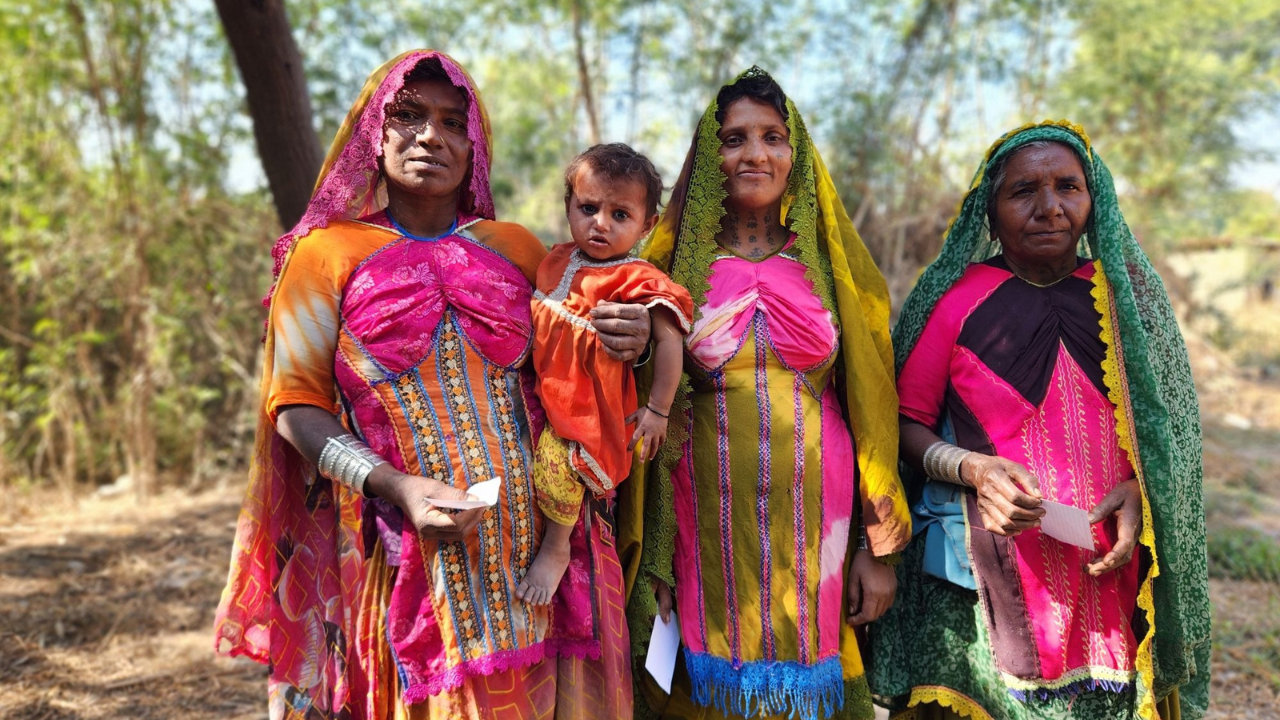
You may be wondering whether it is wise to say yes to a mission trip, especially if you feel uncertain, inexperienced, or responsible for others. You are not alone in this. When you are discerning God’s will, it is right to pray, ask honest questions, and seek trusted counsel. Short-term mission trips are generally safer when planning is specific, leadership is experienced, and decisions are shaped by official guidance and by local church partners who understand the destination.
We pray, and we also prepare. We make reliable arrangements, ask honest questions, follow appropriate guidance, and listen to trusted leaders who know when plans need to change. If God is stirring your heart, the first step is taking the next faithful action with prayer, counsel, and wise preparation.
At WMA, our safety planning is closely connected to established local churches and ministry leaders. These partners understand local customs, transportation, ministry settings, and changing conditions in ways an overseas team cannot learn from a distance.
When you take the next step, you are not asked to serve alone. We walk with you in prayer, preparation, and partnership so you can focus on ministry, people, and obedience to the Great Commission.
What Risks Should First-Time Mission Travelers Understand?
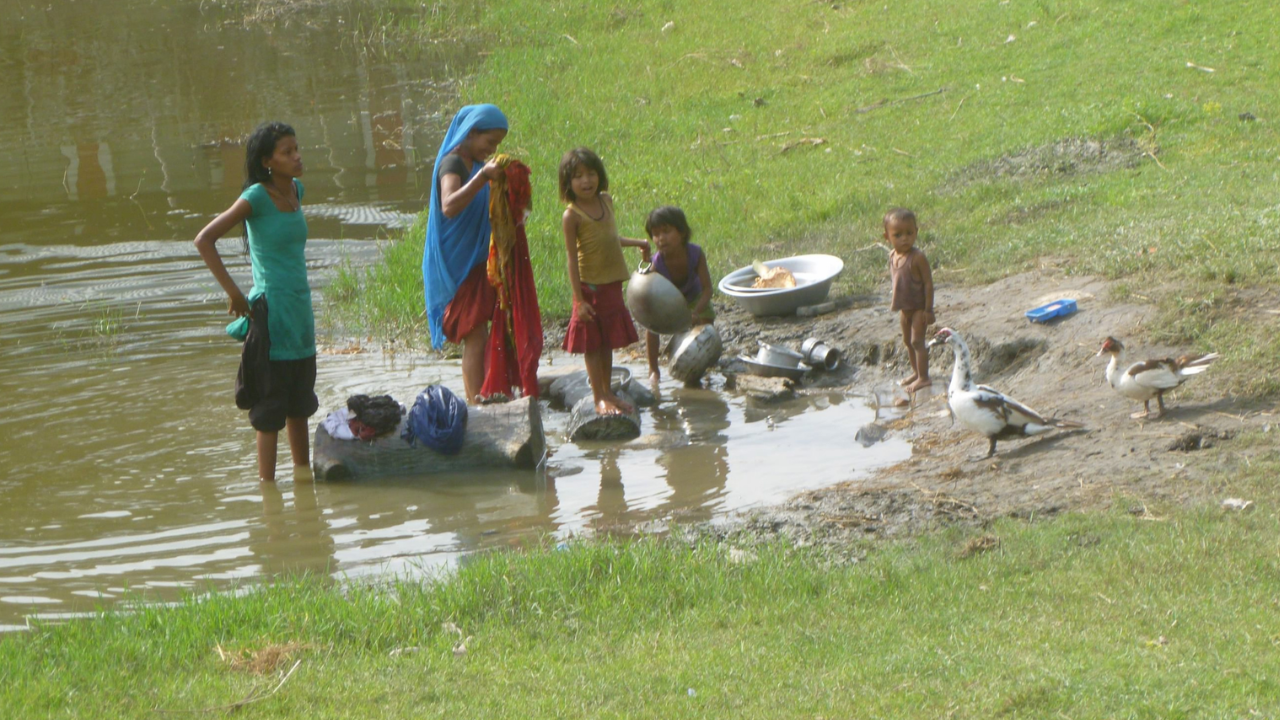
Seeking God’s will does not mean ignoring practical concerns; it means bringing them into prayer, counsel, and careful preparation so you can serve with peace and purpose.
Common concerns include transportation, illness, crime, political unrest, weather, cultural misunderstandings, and personal health limitations. The likelihood and seriousness of each risk depend on the destination, itinerary, season, and traveler.
Ask about the exact cities, travel routes, and ministry locations on your itinerary. Countrywide headlines may not describe every region, but one traveler’s experience should not replace current facts, prayerful discernment, and trusted guidance. We will help you ask the right questions as you take the next step.
How Should Travel Advisories Affect Your Decision?
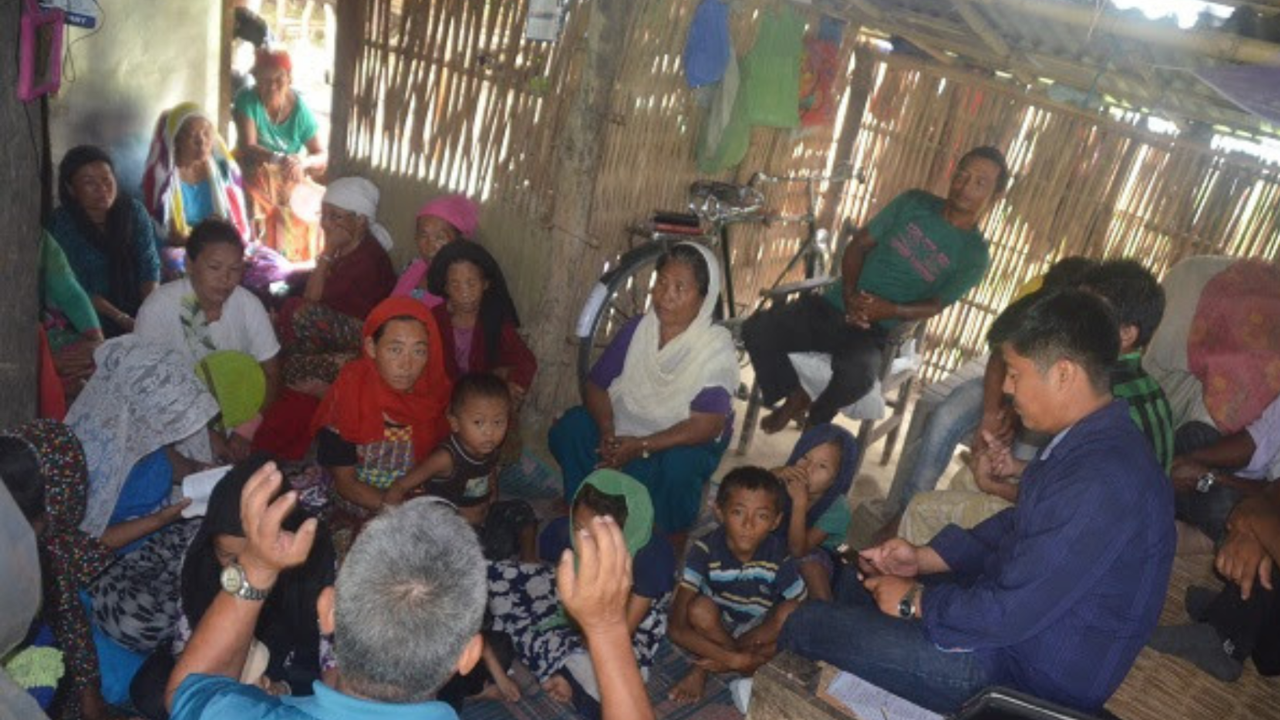
Travel advisories should help to inform your decision, not be ignored or interpreted without context.
Read the full advisory, including regional warnings and the reasons behind them. Then ask how we evaluate that information, what our local church partners are reporting, and what circumstances would cause a team to be changed, postponed, or canceled.
WMA sometimes serves in places where broad travel recommendations raise real questions. We don’t treat those concerns lightly. Together with trusted local pastors and ministry leaders, we make prayerful, practical decisions about timing, routes, accommodations, transportation, and ministry locations.
Why Do Trusted Local Partners Matter for Safety?
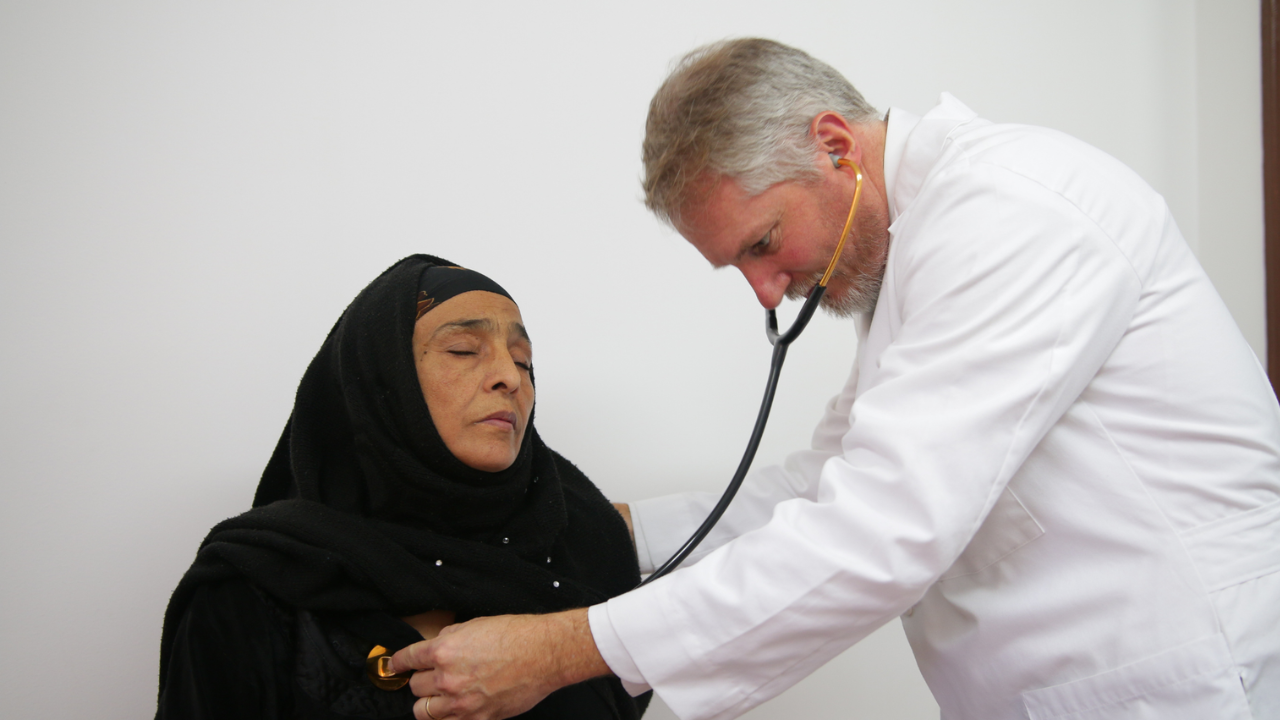
If you feel stirred to go but wonder how to serve wisely, remember that safety decisions are stronger when they include pastors and ministry leaders who live and serve in the destination. They can help us understand which areas are appropriate, which routes are dependable, what behavior shows honor in that culture, and when circumstances have changed.
Our teams serve alongside local pastors and ministry leaders who remain in the community after the visiting team returns home.
Ask how long the partnership has existed and who has the authority to adjust the schedule. Healthy answers will show local leadership, careful preparation, and a willingness to cancel or change activities when conditions are not safe.
What Support Should a Mission Organization Provide?

Before departure, you should understand lodging, airport pickup, transportation, and how changes will be communicated, so you can serve with peace and focus.
About six weeks before departure, we hold an online team meeting where participants can meet their leaders and teammates, review trip details and airport-pickup information, and ask questions.
We also provide preparation information through email and the trip’s information page, including packing, clothing, pickup, lodging, fundraising plan, and itinerary details. The responsibility and emergency-contact form is due by the final-payment deadline, typically about 45 days before departure.
Team members should know whom to contact if they become separated, sick, frightened, or uncertain. Whether you are a seasoned servant, a skilled professional, or a first-time missionary taking a quiet step of obedience, reasonable safety questions are welcome.
You are not being troublesome for asking. We want you prepared, cared for, and ready to serve alongside the local church with confidence and humility.
How Can You Prepare for Health and Medical Concerns?
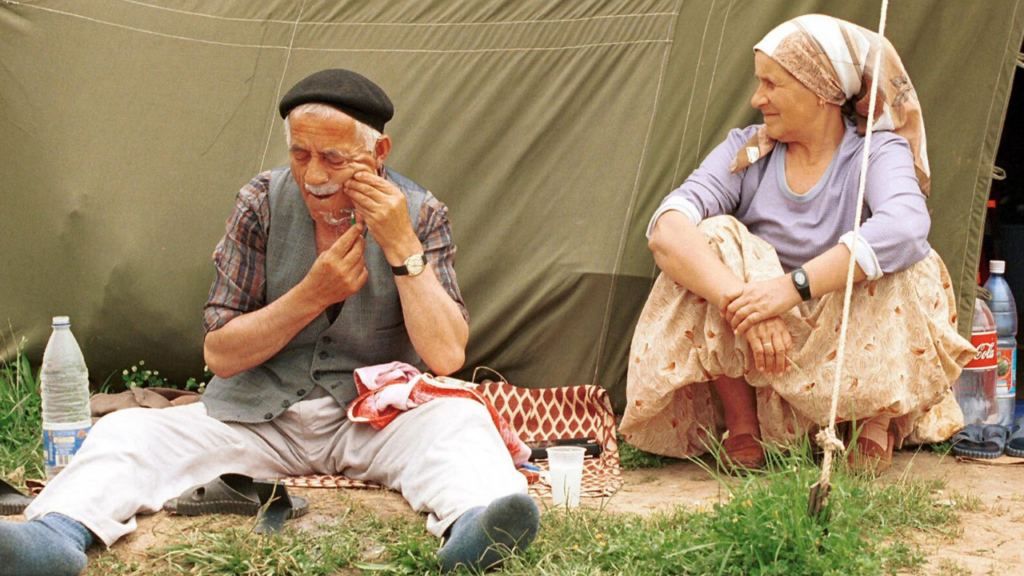
You may be wondering whether a health concern, physical limitation, or dietary need means you cannot serve.
One of the best ways to prepare is to speak with a qualified healthcare professional, carry any needed medications, understand your insurance coverage, and tell us about any relevant limitations early in the process. Honest and diligent preparation is part of faithful stewardship.
Please do not hide a medical condition because you are afraid of being excluded. Our goal is not to disqualify you unnecessarily. Our goal is to help you discern wisely, care for you well, and protect the team and the local church partners we serve alongside.
Before joining a team, ask what the itinerary may involve, including:
- Walking distances
- Stairs
- Long vehicle rides
- Heat or humidity
- Unfamiliar meals
- Uneven ground
- Limited access to certain medical services
At WMA, team members must be able to walk at least one mile, use stairs, and enter vans or buses without assistance.
We cannot accommodate food allergies or dietary restrictions during mission trips. If you have allergies or special dietary needs, you will need to plan accordingly and should contact us before committing to a trip to determine whether you can safely manage your needs in that destination.
What Should You Know About Insurance and Emergencies?
You may already be thinking about the people you will meet, the ministry you will share, and what this next step of obedience may require. That’s a good place to begin.
Before making final payments, confirm what insurance, if any, is included with your specific trip. We strongly recommend purchasing comprehensive travel insurance that covers trip cancellation, lost luggage, emergency evacuation, and medical expenses.
Don’t assume your domestic health insurance will cover international care. Read the policy carefully and ask questions if something is unclear.
If you are unsure what coverage you need, talk with your insurance provider and our office before you travel. We want you to have space to pray, ask honest questions, and take the next step with clarity.
Before departure, keep secure copies of:
- Your passport
- Insurance information
- Prescriptions
- Emergency contacts
- Itinerary
- Important medical details
Give copies to a trusted person at home. These simple steps may feel administrative, but they help your leaders respond quickly if something changes. Careful preparation allows you to focus more fully on prayer, people, and the ministry God is placing before you.
Summary
If God is stirring your heart but international travel feels overwhelming, you do not need to decide alone. The first step is not having every detail figured out. The first step may simply be asking questions and allowing the Lord to guide you through the process.
You can review our upcoming mission trips, submit an application without making a financial or travel commitment, or contact our office with questions. An application begins a conversation; it does not sign you up for a trip or obligate you financially. From there, we will walk with you as you prayerfully consider the team, destination, and season that may fit your calling.